As a sincere friend...: China responds after Trump urges countries to send warships to secure Strait of Hormuz
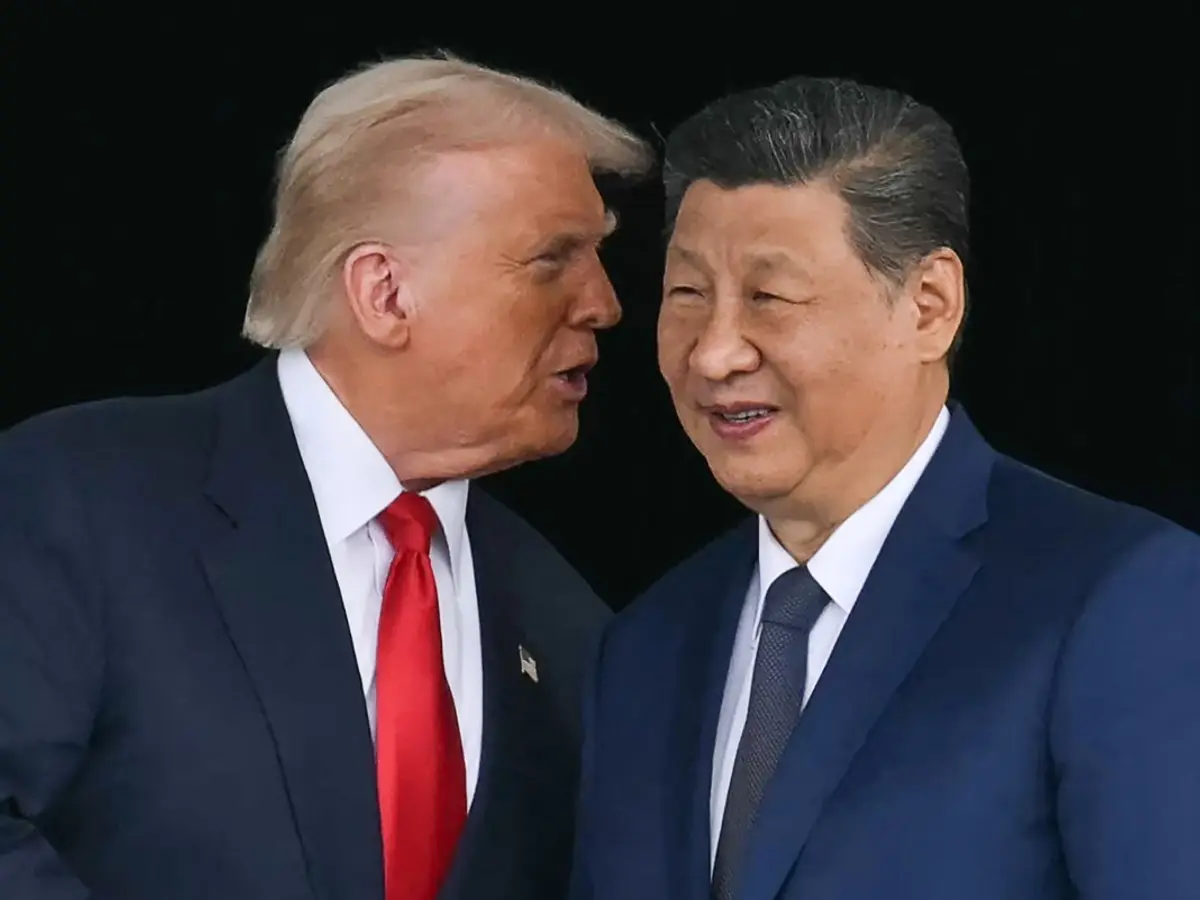
The Strait of Hormuz, a narrow waterway linking the Persian Gulf with the Gulf of Oman, has once again become the focus of international debate. A former U.S. president recently urged several countries to send warships to the strait in order to protect commercial shipping. Beijing responded with a firm statement that emphasized dialogue over military deployment. The exchange highlights how regional security concerns can quickly involve distant powers and affect global trade.
Background to the Hormuz tension
The Hormuz corridor is one of the world’s most important chokepoints for oil and gas. Roughly a fifth of global petroleum passes through the 21‑mile-wide channel each day. Because the waterway sits between Iran and the Arabian Peninsula, any disruption can cause immediate price spikes and market uncertainty. Over the past decade, the strait has seen several incidents – from missile attacks on tankers to the seizure of vessels by Iranian forces – that have kept it in the headlines.
In addition to commercial concerns, the strait is a strategic naval arena. The United States maintains a regular presence there, citing the need to ensure freedom of navigation. Iran, for its part, has repeatedly threatened to close the passage if it feels threatened, a claim that adds a layer of geopolitical risk.
Trump’s call for naval presence
During a recent televised interview, the former U.S. president suggested that allied nations should deploy warships to the Hormuz corridor to deter any hostile actions. He argued that a visible multinational fleet would send a clear message to Iran and other actors that interference with shipping would not be tolerated. The suggestion was framed as a defensive measure, aimed at protecting the flow of energy resources and maintaining stability in the region.
The call was quickly picked up by media outlets around the world. Some analysts described it as a rhetorical move intended to pressure Iran, while others saw it as an attempt to re‑assert U.S. influence in a region where American naval power has been challenged in recent years. The proposal also raised questions about the willingness of other countries to commit naval assets to a potentially volatile environment.
China’s diplomatic response
Within hours of the interview, China’s foreign ministry issued a statement that stressed the importance of peaceful resolution and warned against the escalation of military activities. The statement said that all parties should respect international law, particularly the United Nations Convention on the Law of the Sea (UNCLOS), and that the safety of commercial shipping could be best ensured through dialogue and confidence‑building measures.
Chinese officials highlighted the country’s own reliance on Hormuz‑bound oil imports, noting that any disruption would affect not only the global market but also China’s energy security. They called for restraint from all sides and urged the international community to support diplomatic channels rather than pursue a show of force.
The response aligns with Beijing’s broader foreign‑policy approach, which often emphasizes non‑interference and multilateralism. By positioning itself as a voice of moderation, China aims to protect its economic interests while avoiding direct involvement in a potential naval standoff.
Implications for global trade
The exchange between the former U.S. president and China underscores how the Hormuz strait remains a flashpoint that can influence worldwide commerce. Shipping companies closely monitor any hint of military buildup because even a brief interruption can cause freight rates to surge and insurance premiums to rise.
If multiple navies were to station warships in the narrow channel, the risk of accidental encounters would increase. Historical incidents have shown that miscommunication in tight waterways can quickly lead to escalation. For traders, the prospect of a militarized Hormuz corridor adds a layer of uncertainty that can affect decisions on routing, inventory levels, and contract terms.
Moreover, the dialogue highlights the competing narratives of security. While some countries view a visible naval presence as a deterrent, others see it as a provocation that could trigger a chain reaction. The balance between protecting shipping lanes and avoiding an arms race is delicate and requires careful diplomatic handling.
Potential paths forward
Several avenues exist to reduce tension without resorting to large‑scale naval deployments. First, regional confidence‑building measures, such as joint patrols or communication hotlines between navies, could help prevent misunderstandings. Second, international bodies like the International Maritime Organization could facilitate the development of safety protocols specific to Hormuz.
Third, economic incentives may play a role. Countries that depend heavily on Hormuz‑transited oil could invest in alternative routes, such as pipelines or longer maritime paths, to lessen the strategic leverage of the strait. Finally, continued diplomatic engagement with Iran, including negotiations on maritime security, could address the root causes of its occasional threats to close the passage.
The situation also offers an opportunity for China to expand its role as a mediator. By proposing multilateral talks that include the United States, Iran, and Gulf states, Beijing could position itself as a stabilizing force while safeguarding its own trade interests.
The call for warships and the subsequent Chinese rebuttal illustrate the complex interplay of politics, security, and commerce that surrounds the Strait of Hormuz. While the former U.S. president’s suggestion reflects a desire for a strong, visible deterrent, China’s emphasis on dialogue signals a preference for low‑risk solutions.
How the international community responds will shape the future of one of the world’s most critical maritime arteries. A balanced approach that combines clear communication, respect for international law, and practical security arrangements may prevent the strait from becoming a theater of conflict. Until then, traders, policymakers, and naval planners will continue to watch the developments closely, aware that even a single incident in Hormuz can ripple across the global economy.