'Allegations Lack Hallmark Of Terrorism': Delhi Court Orders Supply Of FIR Over AI Summit Protest To...
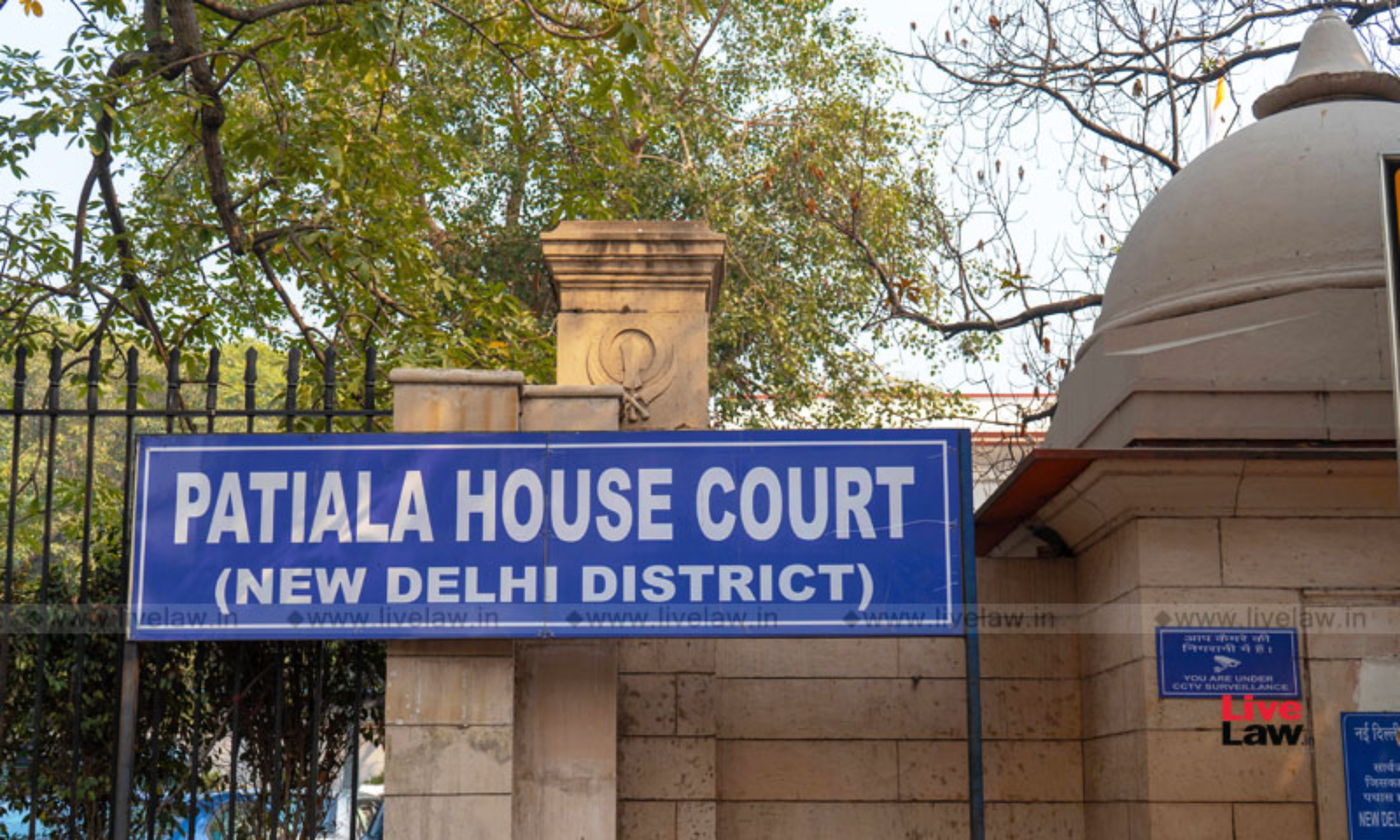
The Delhi High Court has ruled that the accusations linking a recent protest at an artificial intelligence summit to terrorism do not meet the legal definition of the crime. The court ordered the police to provide the First Information Report (FIR) filed against the demonstrators, emphasizing the need for clear evidence before labeling an act as terror‑related.
Background to the protest
Last month, a group of activists gathered outside a high‑profile AI conference in New Delhi. Their demonstration focused on concerns over data privacy, algorithmic bias, and the potential misuse of AI by governments and corporations. The protesters held placards, chanted slogans, and attempted to engage conference organizers in dialogue. The event, which attracted tech leaders from around the world, continued without interruption, but the police filed an FIR alleging that the gathering threatened public order and could be linked to terrorism.
Court’s assessment of the allegations
During the hearing, the court examined the language of the FIR and the legal criteria for terrorism under Indian law. The judges noted that the protest was peaceful, with no weapons, explosives, or violent acts reported. The court also highlighted that the activists’ demands were political and social in nature, not aimed at causing terror or spreading fear. As a result, the judges concluded that the allegations "lack the hallmark of terrorism" as defined by statute.
The judges ordered the police to submit the original FIR for scrutiny, stating that any claim of terrorism must be supported by concrete facts, not by the mere presence of dissent. This move underscores the judiciary’s role in checking the over‑use of anti‑terrorism provisions against ordinary civic actions.
Why the ruling matters internationally
The decision arrives at a time when governments worldwide are tightening security measures around technology events. In several countries, authorities have used anti‑terrorism laws to curb protests that challenge tech policies, raising concerns about freedom of expression. By demanding a transparent FIR and rejecting vague terror labels, the Delhi High Court sets a precedent that could influence how other jurisdictions handle similar cases.
Tech companies and conference organizers often rely on host governments for security assurances. This ruling signals that security agencies must differentiate between genuine threats and legitimate dissent. For multinational firms, the judgment offers reassurance that legal safeguards exist to protect the right to protest, even in high‑stakes tech gatherings.
Reactions from stakeholders
Civil‑rights groups welcomed the court’s stance, calling it a victory for democratic participation. A spokesperson for a leading digital rights NGO said, "The judgment reaffirms that peaceful protest cannot be dismissed as terrorism without solid evidence. It protects the space for public debate on emerging technologies."
Conversely, some law‑enforcement officials expressed disappointment, arguing that the FIR was filed as a precautionary measure to deter potential disruptions. One senior police officer noted that the summit’s high profile made it a possible target for extremist groups, and that the FIR was intended to keep a record of any suspicious activity.
Industry representatives also weighed in. The organizer of the AI summit said, "We appreciate the court’s clarification. Our event aims to foster open dialogue about AI’s future, and we support the right of citizens to voice concerns responsibly."
Potential impact on future tech events
The ruling may encourage more transparent handling of protest‑related complaints at future conferences. Organizers might adopt clearer protocols for liaising with law‑enforcement agencies, ensuring that any security filings are based on verifiable threats. This could reduce the risk of over‑broad accusations that stifle legitimate discourse.
Moreover, the decision could influence policy discussions on how anti‑terrorism legislation is applied to non‑violent activism. Lawmakers may consider revising statutes to include stricter definitions, preventing misuse against peaceful demonstrators.
Legal implications for activists
For activists, the judgment offers a legal foothold to challenge future FIRs that cite terrorism without substantive proof. By establishing that courts will scrutinize the factual basis of such claims, the decision may deter authorities from filing blanket FIRs against protestors.
Legal experts suggest that similar challenges could arise in other sectors, such as climate activism or labor movements, where authorities sometimes invoke security concerns. The Delhi High Court’s approach could serve as a reference point for lawyers defending the rights of demonstrators across the country.
The court’s order to produce the FIR is expected to be complied with within a short timeframe. If the FIR is found lacking, it could be withdrawn or amended, potentially clearing the record for the activists involved. The outcome will likely be monitored by both domestic and international observers interested in the balance between security and civil liberties.
In the broader context, the case underscores the growing tension between rapid technological advancement and the societal questions it raises. As AI becomes more embedded in daily life, public scrutiny is likely to increase. Ensuring that protests are treated fairly, without undue criminalization, will be essential for maintaining trust between innovators, regulators, and the public.
The Delhi High Court’s decision thus marks a significant moment in the ongoing dialogue about how democracies manage dissent in the age of emerging technologies. By insisting on clear evidence before invoking terrorism, the court has reinforced a fundamental principle: the right to protest must be protected, even when the issues at stake are complex and high‑profile.