Ali Larijani — the philosopher who seeks vengeance
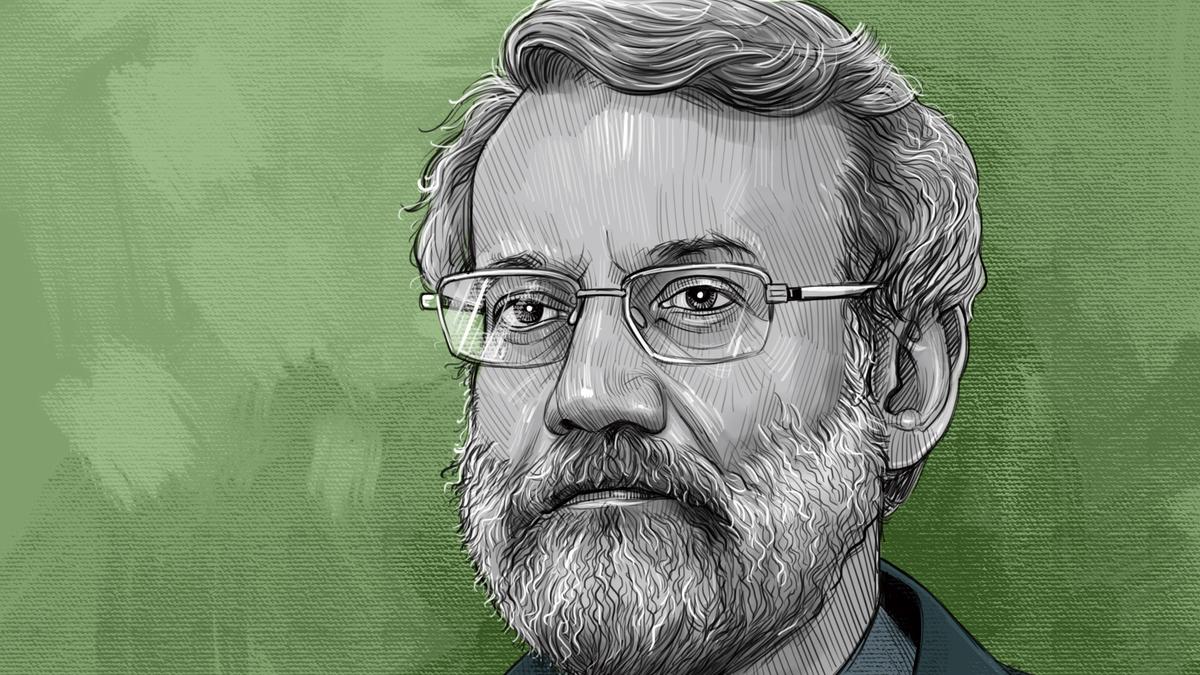
Ali Larijani, a well‑known Iranian scholar of Islamic philosophy and former parliamentary speaker, has recently attracted worldwide attention after a series of public statements that many interpret as a call for retaliation against foreign powers he blames for Iran’s economic hardships.
Background and academic career
Born into a prominent political family, Larijani earned his doctorate in philosophy from the University of Tehran, focusing on the works of Mulla Sadra and contemporary political thought. Over two decades he published more than thirty books and articles, positioning himself as a bridge between traditional religious scholarship and modern statecraft. His academic reputation earned him a seat in Iran’s parliament, where he served as speaker for twelve years, shaping legislation on media, education, and foreign policy.
During his tenure, Larijani was praised for a pragmatic approach that combined doctrinal consistency with a willingness to engage in dialogue with the West. Yet his later writings reveal a shift toward a more confrontational worldview, emphasizing the moral duty of a nation to resist perceived external aggression.
Recent statements and alleged plot
In a televised lecture last month, Larijani quoted a classic Persian poem that speaks of “the fire that burns the oppressor’s heart.” He then argued that Iran’s leadership must move beyond diplomatic protest and adopt a “strategic response” to sanctions, cyber‑attacks, and covert operations attributed to foreign intelligence services. The lecture was followed by a short, cryptic article posted on his personal website, titled “The Path of Justice,” in which he outlined three “principles of retribution”: economic counter‑measures, targeted information campaigns, and support for regional allies willing to challenge the status quo.
Iranian officials have not officially confirmed any coordinated plan, but several analysts interpret the language as an implicit green light for covert actions. A senior source within Iran’s Ministry of Intelligence, speaking on condition of anonymity, said that the lecture sparked internal debates about expanding the scope of existing asymmetrical tactics. The source added that “Larijani’s philosophical framing gives a moral veneer to actions that were previously discussed only in security circles.”
International reaction
Western capitals responded quickly. The United States issued a statement calling the remarks “dangerous rhetoric that could destabilize an already volatile region.” European diplomats expressed concern that the philosophical justification might embolden non‑state actors to undertake retaliatory cyber‑operations. Meanwhile, Russia’s foreign ministry described the comments as “an internal matter for Iran” and warned against external interference.
Human‑rights groups also weighed in, noting that a narrative that frames vengeance as a moral imperative could justify unlawful activities, including attacks on civilian infrastructure. They urged all parties to adhere to international law and to keep diplomatic channels open.
Potential implications
If Larijani’s ideas translate into policy, the most immediate impact could be a sharpening of Iran’s economic counter‑measures. Analysts predict a possible escalation of oil‑price manipulation, increased support for proxy groups, and a more aggressive cyber‑posture aimed at financial institutions linked to sanctioning countries. Such steps would likely provoke reciprocal actions, creating a feedback loop of sanctions and retaliatory measures.
Beyond the economic sphere, the philosophical framing may influence Iran’s soft‑power strategy. By casting resistance as a righteous, almost religious duty, Tehran could seek to rally domestic public opinion and strengthen its narrative of sovereignty. This could affect regional alliances, especially with nations that share a skeptical view of Western policies.
The situation also raises broader questions about the role of intellectuals in statecraft. When a respected philosopher enters the arena of geopolitical strategy, the line between academic discourse and policy prescription blurs. This convergence may encourage other scholars to adopt more activist stances, potentially reshaping how ideas are mobilized in international conflicts.
The coming weeks will likely reveal whether Larijani’s lecture remains a rhetorical exercise or evolves into concrete action. Observers will watch for any official statements from Iran’s foreign ministry, shifts in sanction enforcement, or changes in cyber‑activity patterns that align with the three principles outlined in his article.
For policymakers outside Iran, the challenge will be to balance a firm response with diplomatic outreach that discourages escalation. Engaging directly with Iranian academic circles, offering platforms for dialogue, and reinforcing multilateral mechanisms could help contain the rhetoric before it translates into irreversible moves.
In any case, the episode underscores how philosophical narratives can become powerful tools in modern geopolitics. As nations grapple with complex security dilemmas, the words of a single thinker may tip the scales, reminding the international community that ideas, when paired with state power, carry real‑world consequences.