AI Express flight from Hyd makes a hard landing at Phuket, gets stuck on runway; all safe
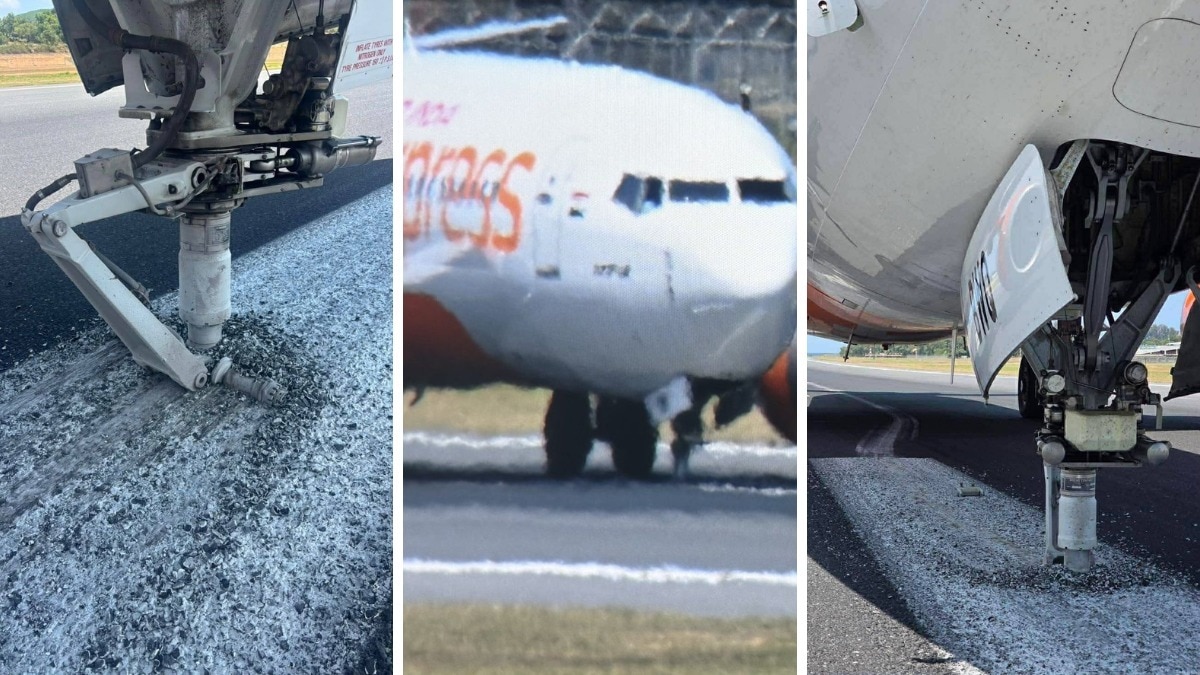
A commercial flight operated by AI Express touched down heavily at Phuket International Airport on the island’s main runway, coming to an abrupt stop and remaining immobilised for several hours. All passengers and crew walked away unharmed, and airport officials are now reviewing the event to prevent similar occurrences.
Incident Overview The aircraft, a narrow‑body jet carrying 158 passengers and six crew members, approached Phuket in clear weather conditions. Shortly after the main wheels made contact with the runway, the plane experienced a sudden deceleration that caused a hard impact. The landing gear absorbed the force, but the aircraft’s forward momentum was insufficient to clear the runway, leaving it stranded near the threshold of the runway.
Airport emergency teams responded within minutes. Firefighters, medical staff, and ground handlers were deployed to assess the situation, secure the area, and assist passengers. No injuries were reported, and the cabin crew conducted a calm evacuation, allowing everyone to exit the aircraft without incident.
Flight Background The flight originated from Rajiv Gandhi International Airport in Hyderabad, India, and was scheduled to land in Phuket after a 4‑hour and 20‑minute journey across the Indian Ocean. AI Express, a low‑cost carrier that has expanded its Asian network over the past two years, operates the route three times a week, catering to both leisure travelers and business passengers.
According to the airline’s schedule, the aircraft was due to depart Phuket for Hyderabad the following morning. The hard landing disrupted that plan, forcing a temporary suspension of the flight’s turnaround and prompting a review of the aircraft’s technical status before any further movements.
Response and Safety Measures Thai aviation authorities opened a preliminary investigation immediately after the aircraft stopped on the runway. Investigators collected data from the flight data recorder, cockpit voice recorder, and the airport’s surface‑movement radar. Early reports suggest that the pilots may have applied a higher than normal rate of thrust reduction during the flare phase, possibly due to a brief miscommunication with air traffic control.
The airline’s safety team has released a statement confirming that the aircraft will undergo a thorough inspection before being cleared for service again. Maintenance crews are checking the landing gear, brakes, and structural components for any signs of stress or damage. In parallel, the airline is providing accommodation and alternate travel arrangements for affected passengers.
Airport officials cleared the runway after the aircraft was safely towed to a nearby apron. The incident caused a short delay for other flights, but normal operations resumed within a few hours. No other aircraft were impacted, and the runway remained open for the remainder of the day.
International Implications While the event did not result in casualties, it highlights the importance of rigorous safety oversight for rapidly expanding low‑cost carriers in the region. AI Express has been adding new routes to popular tourist destinations, and regulators worldwide are watching how airlines balance growth with operational safety.
The incident also underscores the role of real‑time data sharing between airlines, airports, and aviation authorities. By quickly accessing flight‑recording information, investigators can pinpoint the sequence of actions that led to the hard landing, helping to refine training programs and standard operating procedures.
Travelers and tourism operators in Phuket are closely monitoring the situation. The island’s economy depends heavily on inbound flights, and any perception of safety concerns could affect future bookings. However, the swift handling of the incident and the absence of injuries are likely to reassure most visitors.
Future Impact and Lessons Learned A key outcome of the investigation will be recommendations on pilot technique during the final approach phase. If a procedural lapse is identified, airlines may revise their standard operating procedures and increase simulator training focused on flare and touchdown dynamics.
The event may also prompt airports in the region to review runway safety areas and the placement of arresting systems that can help stop an aircraft more quickly after a hard landing. While Phuket’s runway meets international standards, continuous assessment ensures that infrastructure keeps pace with traffic growth.
For AI Express, the episode serves as a reminder that rapid network expansion must be matched with consistent safety audits. The airline has pledged to cooperate fully with regulators and to keep passengers informed throughout the process.
What Passengers Can Expect Passengers affected by the disruption have been offered refunds, re‑booking on alternative flights, and hotel accommodations where needed. The airline’s customer service portal has been updated with a dedicated FAQ section addressing the incident, compensation policies, and travel insurance options.
Travel experts advise passengers to keep an eye on airline communications and to verify the status of their reservations before heading to the airport. While the aircraft in question is expected to return to service after inspections, the airline may adjust its schedule temporarily to accommodate maintenance requirements.
Conclusion The hard touchdown of an AI Express jet in Phuket serves as a case study in how aviation stakeholders manage unexpected events. The coordinated response—spanning airline crews, airport emergency services, and aviation regulators—ensured passenger safety and minimized operational disruption. As investigations continue, the findings will likely influence training, aircraft maintenance, and runway safety protocols, contributing to safer skies for travelers worldwide.