Delhi Metro’s Magenta Line Expansion To Deliver NCR’s Longest Driverless Corridor
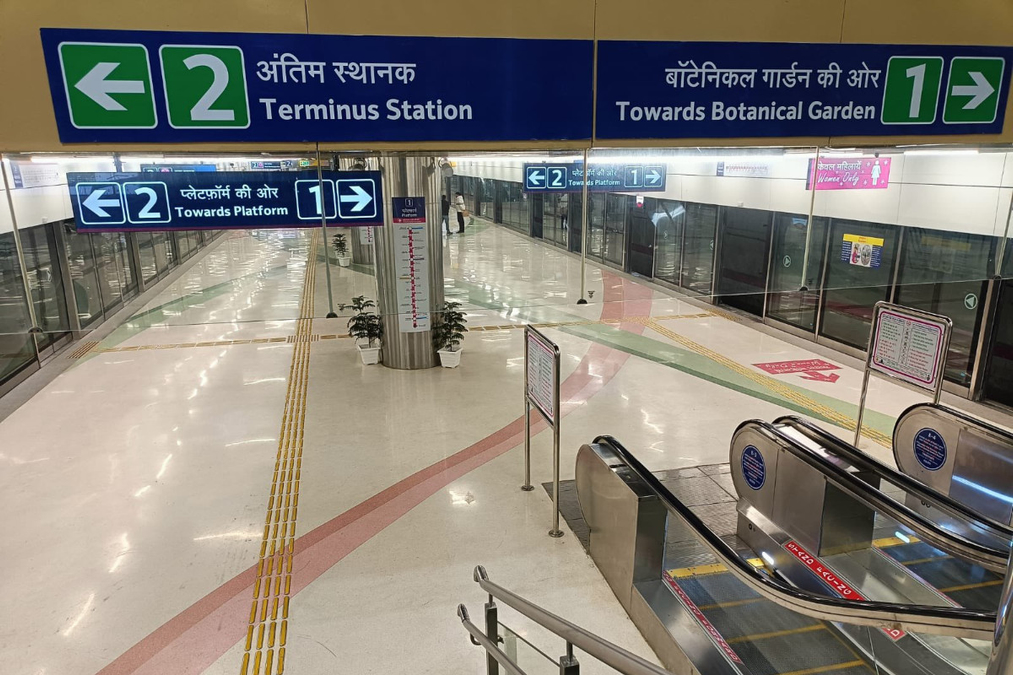
The capital city is preparing a new metro line that will stretch 89 kilometres and include 21 interchange stations. Once completed, it will be the longest continuous corridor in the Indian metro network, linking the far‑flung suburbs with the central business districts.
Why the project matters Delhi’s public transport system has struggled to keep pace with rapid population growth. The existing network, though extensive, still leaves large pockets of the city underserved. By adding a high‑capacity, high‑speed corridor, planners aim to reduce road congestion, cut travel times, and offer a reliable alternative to private vehicles. The move also aligns with national goals to lower carbon emissions and promote sustainable urban development.
Route and design The new line will start in the northern outskirts, pass through key residential and commercial zones, and terminate in the southern industrial belt. Along the way, it will intersect with 21 existing or planned stations on other lines, creating a web of connections that allows passengers to switch routes without leaving the platform. The design incorporates modern signalling technology, driver‑less trains, and platform screen doors for safety.
Key interchange stations Among the 21 interchanges, several stand out for their strategic importance. The central hub will link the line with the Red, Yellow, and Blue corridors, turning it into a major transfer point. A second major interchange in the western sector will connect to the upcoming Regional Rapid Transit System, opening up commuter travel to neighboring states. These nodes are expected to become bustling activity centres, spurring retail and office development.
Economic ripple effects Construction of the corridor is projected to generate thousands of jobs, from civil engineering to supply chain logistics. Once operational, the line will shorten commute times by up to 45 minutes for many riders, translating into higher productivity for businesses. Real estate values near the new stations are likely to rise, encouraging investment in housing and commercial projects. The increased accessibility may also attract multinational firms looking for well‑connected office locations.
Environmental benefits A longer, fully electric metro line reduces reliance on diesel‑powered buses and private cars. Studies suggest that each passenger kilometre shifted from road to rail can cut CO₂ emissions by roughly 150 grams. Over the life of the corridor, the environmental savings could be comparable to planting millions of trees. The project also includes green building standards for stations, such as solar panels and rain‑water harvesting.
Global context When finished, the 89‑kilometre stretch will rank among the longest single‑track metro lines worldwide, comparable to lines in Shanghai, Beijing and Moscow. It demonstrates how emerging megacities are adopting large‑scale rail solutions to manage urban sprawl. The corridor could serve as a model for other Indian cities facing similar transport challenges, encouraging knowledge sharing across the region.
Challenges ahead Building a line of this magnitude is not without hurdles. Land acquisition in densely populated districts has already caused delays, as authorities negotiate with property owners and address legal disputes. Funding the project relies on a mix of government grants, loans from multilateral banks, and private investment through public‑private partnerships. Ensuring that construction stays on schedule while maintaining safety standards remains a top priority for the metro authority.
Timeline and future outlook The first phase, covering the northern half of the route, is slated for trial runs within the next few years. Subsequent phases will extend the line to its southern terminus, with full commercial service expected shortly after. Planners anticipate that ridership will climb steadily, reaching several hundred thousand daily passengers within a decade. The success of the corridor could pave the way for further extensions, eventually creating a ring‑like network that circles the entire metropolitan area.
What residents can expect For commuters, the new line promises a smoother, faster journey across the city’s far reaches. For businesses, it offers a larger talent pool that can travel efficiently. For the environment, it adds a clean‑energy transport option that helps meet climate targets. As construction progresses, the city’s skyline will change, with sleek stations and elevated tracks becoming part of everyday life.
In summary, the 89‑kilometre metro corridor represents a bold step toward a more connected, sustainable, and economically vibrant Delhi. Its impact will be felt not only by daily riders but also by the broader region as the capital sets a new benchmark for urban rail infrastructure.