69 Killed, 169 Injured In Suicide Bombing At Shrine In Islamabad
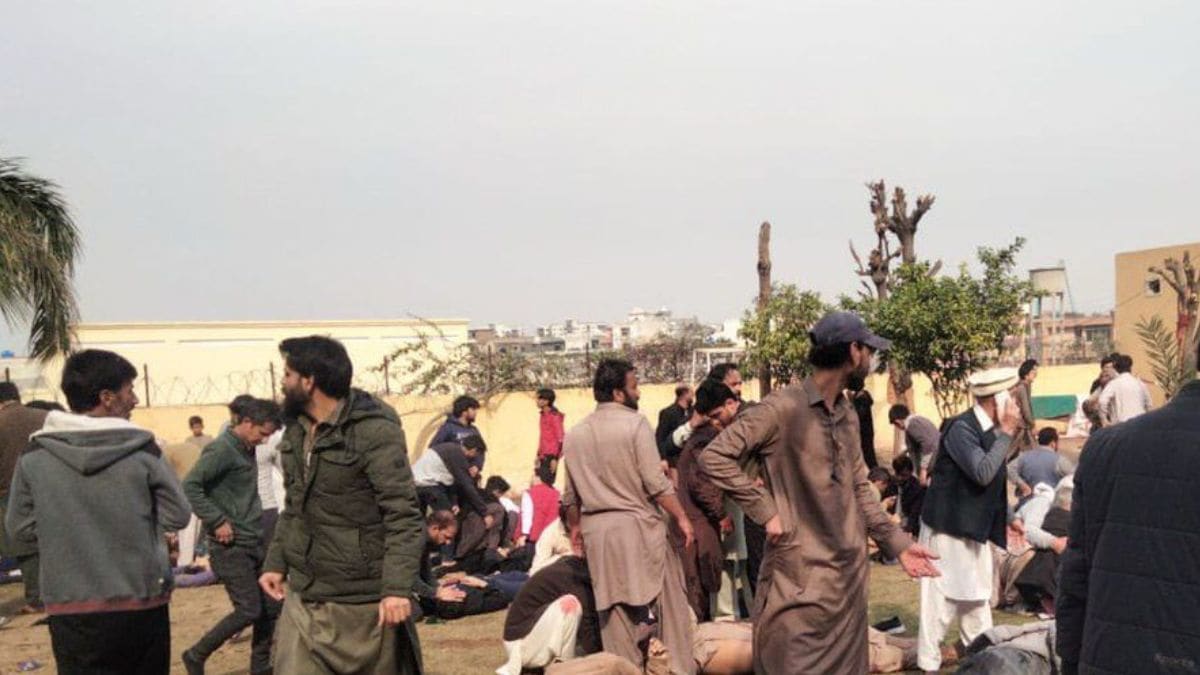
A suicide bomber detonated an explosive device inside a crowded shrine in Pakistan’s capital, leaving 69 people dead and 169 injured. The attack shocked the city and raised fresh concerns about the ability of militants to strike high‑profile religious sites.
Location and immediate aftermath The shrine, a well‑known place of worship for followers of a Sufi order, was packed with devotees attending a routine prayer session. Witnesses said the explosion ripped through the main hall, sending debris flying and igniting a panic that turned the sanctuary into a chaotic scene of screaming and fleeing worshippers. Emergency services arrived within minutes, establishing triage zones and transporting the injured to nearby hospitals. Local hospitals reported that many of the wounded suffered from shrapnel injuries and severe burns.
Who claimed responsibility? Within hours, a militant group known for targeting religious minorities and state institutions released a statement claiming the attack. The group, which has previously carried out attacks on security forces and public gatherings, said the bombing was meant to punish the shrine’s followers for what it described as “heretical practices.” No organization had previously targeted this particular shrine, making the strike a notable escalation in the group’s campaign.
Background to the violence Sufi shrines have long been revered across Pakistan, drawing large crowds for weekly gatherings and annual festivals. However, they have also been frequent targets for extremist outfits that view Sufi rituals as un‑Islamic. Over the past decade, several attacks on similar sites have claimed hundreds of lives, prompting the government to increase security measures around religious venues. The Islamabad shrine, located in a densely populated district, had been under a modest security presence, but the bomber managed to breach the perimeter, suggesting a lapse in intelligence or a failure to anticipate the threat.
Why the attack matters globally The incident underscores a broader trend of religiously motivated terrorism that extends beyond national borders. International observers note that the tactics used—particularly the use of a suicide bomber in a civilian religious setting—mirror attacks carried out in other regions, from the Middle East to South‑East Asia. The high casualty count is likely to draw attention from foreign governments and security agencies, many of which have been monitoring the group’s online propaganda and recruitment efforts. The attack also raises concerns about the safety of pilgrims traveling across borders, potentially affecting tourism and cross‑border religious tourism.
Government response Pakistan’s interior ministry announced an immediate crackdown on the network behind the bombing. Security forces launched raids in several districts known to harbor militants, arresting dozens of suspects linked to the group. The ministry also pledged to reinforce security at all major religious sites, including the deployment of additional personnel, installation of metal detectors, and the use of surveillance drones. In a televised address, the interior minister emphasized that the state would not tolerate attacks on places of worship and urged the public to remain vigilant.
Public reaction and mourning The city entered a period of mourning, with flags lowered to half‑mast and candlelight vigils held outside the shrine. Families of the victims gathered to demand justice, while community leaders called for unity across sectarian lines. Social media platforms were flooded with messages of condolence, many highlighting the need for tolerance and condemning extremist ideology. The outpouring of grief has also sparked a debate about the balance between security measures and the freedom to practice religion without fear.
International diplomatic angles Several foreign ministries issued statements expressing solidarity with the victims and offering assistance in the investigation. The United Nations’ counter‑terrorism office urged member states to share intelligence on the group responsible and to support Pakistan’s efforts to dismantle its networks. Neighboring countries, which share borders with regions known for militant activity, have signaled a willingness to cooperate on border security and joint operations.
Potential impact on security policy Analysts predict that the bombing will accelerate a shift in Pakistan’s counter‑terrorism strategy. The focus may move from a predominantly military approach to a more integrated model that combines intelligence sharing, community policing, and counter‑radicalization programs. There is also an expectation that the government will allocate additional budget for modernizing surveillance equipment at public venues, a move that could raise privacy concerns among civil‑rights groups.
Future outlook for the shrine and its followers While the shrine is expected to reopen after thorough de‑mining and repairs, many worshippers remain apprehensive about returning. Religious leaders have pledged to hold a series of inter‑faith dialogues aimed at fostering resilience and discouraging extremist narratives. The incident may also inspire a broader movement among Sufi communities to document and preserve their cultural heritage, hoping to protect it from future attacks.
Conclusion The suicide bombing at the Islamabad shrine stands as a stark reminder of the persistent threat posed by extremist groups targeting religious sites. With a death toll of 69 and more than 160 injured, the human cost is profound, and the ripple effects are likely to influence security policies, international cooperation, and community relations for months to come. As authorities continue investigations and tighten security, the hope expressed by many remains that solidarity and decisive action will prevent similar tragedies in the future.