5% reservation for Muslims scrapped in Maharashtra
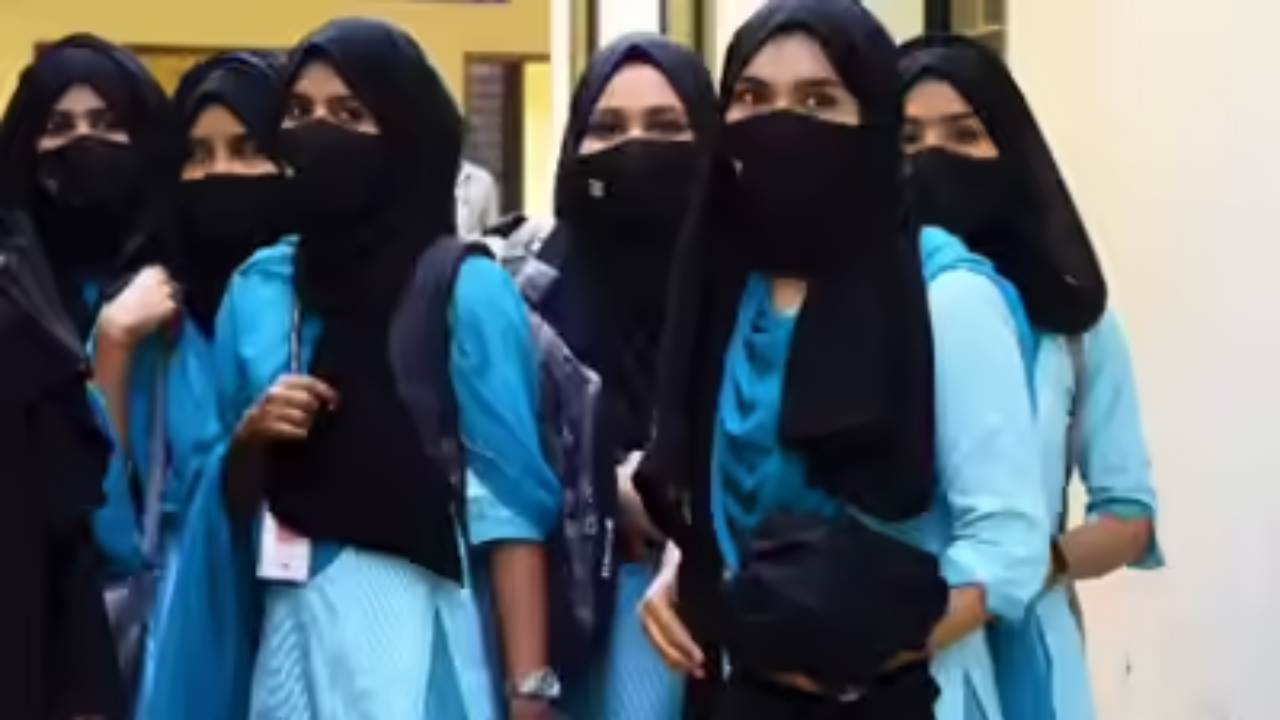
The state government of Maharashtra has officially withdrawn a 5% reservation quota for Muslims in educational institutions and public‑sector jobs. The move, announced by the new administration, marks a reversal of a policy introduced two years earlier and has ignited a fresh round of discussion about minority rights, affirmative action and the legal framework governing reservations in India.
Background of the Reservation Policy
India’s reservation system, designed to improve access for historically disadvantaged groups, has long included provisions for Scheduled Castes, Scheduled Tribes and Other Backward Classes. In 2022, the Maharashtra government added a separate 5% quota for the Muslim community, arguing that socioeconomic data showed the group lagged behind in education and employment. The policy applied to state‑run colleges, technical institutes and a range of government posts, and was presented as a step toward greater inclusivity.
Government Decision and Rationale
The current administration, which took office earlier this year, cited legal uncertainty and concerns over the constitutionality of a religion‑based reservation. In a brief statement, the chief minister’s office said the decision was taken after a “comprehensive review of judicial precedents and expert advice.” Officials also highlighted the need to maintain a uniform reservation structure that aligns with national guidelines, noting that the Supreme Court has repeatedly emphasized that reservations must be based on social and educational backwardness, not solely on religious identity.
Legal and Political Reactions
Legal scholars are divided on the issue. Some argue that the policy was permissible under the Constitution’s provision for special measures to protect minorities, while others point to the Supreme Court’s 1992 Indra Sawhney judgment, which set strict criteria for any new reservation. A coalition of civil‑society groups has filed a petition in the Bombay High Court, seeking a stay on the revocation and demanding that the state either reinstate the quota or replace it with a socioeconomic‑based scheme.
Politically, the decision has deepened existing fault lines. Parties that supported the original quota claim the rollback undermines the promises made to Muslim voters and could erode trust in the government’s commitment to social justice. Opposition leaders have organized rallies and issued statements warning that the move may fuel communal tension. Meanwhile, parties that oppose religion‑based reservations have welcomed the change, saying it restores fairness to the merit‑based system.
Implications for Minority Rights
The removal of the quota raises broader questions about how India addresses the needs of its Muslim minority, which constitutes roughly 14% of the national population. Advocates for minority rights argue that socioeconomic disadvantages persist despite overall economic growth, and that targeted measures remain essential. Critics of the quota contend that it creates a precedent for identity‑based benefits that could strain the already complex reservation matrix and provoke backlash from other groups seeking similar concessions.
Potential National Impact
Maharashtra is India’s second‑largest economy and a political bellwether. Its policy shift may influence other states that are considering religion‑specific reservations. For example, Karnataka and Tamil Nadu have debated similar measures, and a legal precedent set in Maharashtra could either embolden or deter those initiatives. Moreover, the central government, which retains authority over national reservation policies, may feel pressure to clarify its stance, potentially prompting new legislation or judicial review at the federal level.
The coming weeks are likely to see heightened legal activity, with the Bombay High Court expected to hear arguments from both sides. If the court upholds the revocation, the state may need to devise alternative strategies—such as income‑based scholarships or skill‑development programs—to address Muslim under‑representation. Conversely, a ruling that restores the quota could force the government to reinstate the policy or redesign it to meet constitutional standards.
Beyond the courtroom, the decision underscores a broader debate about how democratic societies balance affirmative action with the principle of equal treatment. As India continues to grapple with its diverse social fabric, Maharashtra’s experience may serve as a case study for other regions navigating similar challenges.
The outcome will likely shape public perception of reservation policies, affect electoral calculations and influence the national conversation on minority inclusion. Regardless of the final legal verdict, the episode highlights the delicate interplay between law, politics and social equity in a rapidly changing India.