5 LCA Mk1A fighter jets fully ready for delivery to IAF: HAL
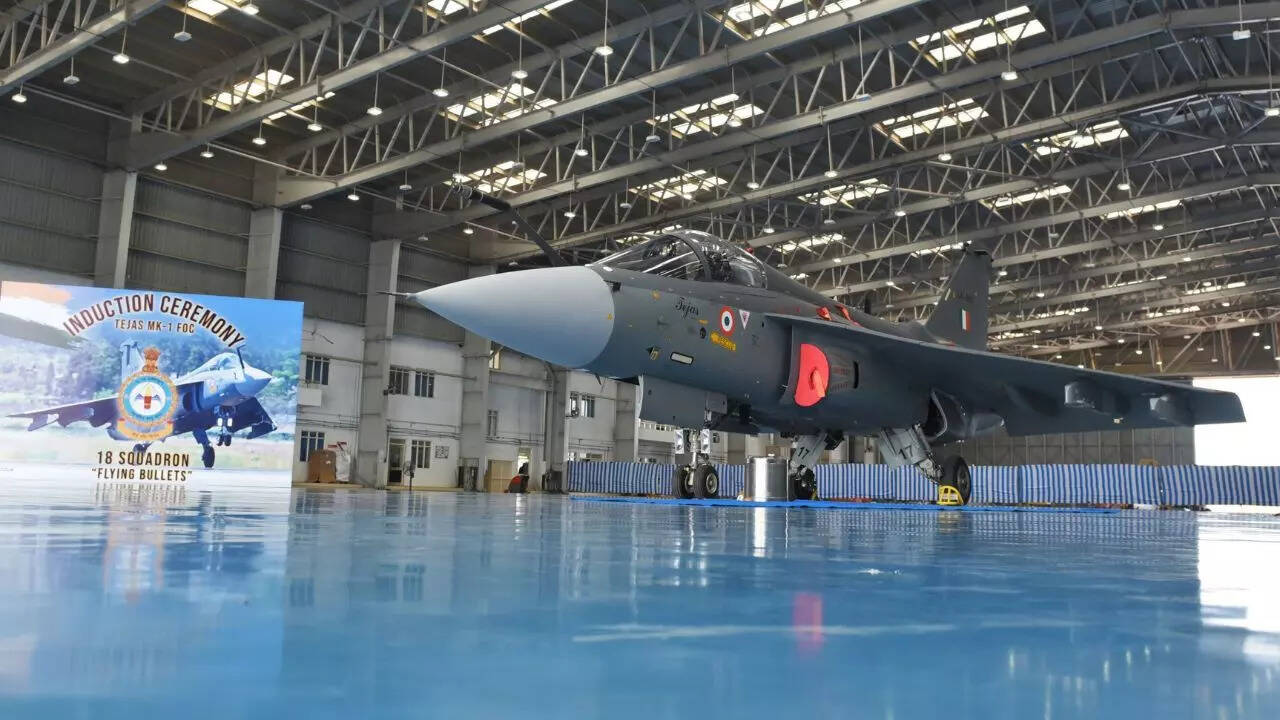
The Indian Air Force is set to receive a batch of five newly built LCA Mk1A fighter jets, marking the first time a complete set of these aircraft has been declared ready for hand‑over. The announcement comes from Hindustan Aeronautics Limited (HAL), the state‑run company that designs, manufactures and supports the Light Combat Aircraft program. With the delivery scheduled in the coming weeks, the move adds a fresh layer of capability to India’s growing air fleet.
Background on the LCA Mk1A The LCA programme began in the 1990s as a response to the need for a domestically produced, lightweight combat aircraft. The original Mk1 version entered service in 2011, primarily for training and limited ground‑attack roles. Over the years, the design has been upgraded with more powerful engines, modern avionics, and an enhanced weapons suite, resulting in the Mk1A variant. The Mk1A can carry a wider range of air‑to‑air missiles, precision‑guided bombs, and electronic warfare pods, bringing it closer to the performance of contemporary fourth‑generation fighters.
HAL’s production milestone HAL reports that the five jets have cleared every stage of the production line, from structural assembly to flight testing and final quality checks. Each aircraft has completed a series of rigorous trials, including high‑altitude performance runs, weapons integration tests, and avionics validation. The company’s chief engineer noted that the batch reflects a “steady improvement in manufacturing efficiency and reliability” compared with earlier deliveries. The successful completion of these steps demonstrates HAL’s growing competence in building sophisticated combat platforms without external assistance.
Strategic significance for the IAF For the Indian Air Force, the addition of five ready‑to‑fly LCA Mk1A jets helps fill a critical gap in its light‑weight combat fleet. The aircraft are intended to operate from forward air bases and can be deployed quickly in response to emerging threats along the nation’s borders. Their relatively low operating cost, combined with modern sensor packages, makes them suitable for both air‑defence patrols and precision strike missions. The IAF’s modernization plan, which includes acquiring advanced fighters such as the Rafale and the upcoming Su‑30MKI upgrades, also relies on a balanced mix of platforms; the Mk1A offers that balance by providing a cost‑effective yet capable option.
Regional and global implications India’s ability to produce and field indigenous combat aircraft carries weight beyond its own borders. In a region where several neighbors are expanding their air forces, a self‑reliant fighter program signals a shift toward greater strategic autonomy. It also positions HAL as a potential exporter of combat aircraft to friendly nations seeking affordable alternatives to Western or Russian jets. Analysts note that the successful delivery of a full batch could open doors for joint development projects, technology transfers, and collaborative training programs with other air forces.
Looking ahead: future upgrades and production The Mk1A is not the final stop for the LCA family. HAL has outlined plans for a Mk2 version that will feature a more powerful engine, increased payload capacity, and advanced stealth features. The current batch serves as a stepping stone, allowing engineers to gather operational data that will inform the next design phase. In parallel, HAL aims to increase its annual production rate, moving from a handful of aircraft per year to a more robust output that can meet both domestic demand and potential export orders.
Industry perspective A senior HAL official emphasized that the readiness of the five jets reflects a “maturing ecosystem of design, testing, and supply chain management.” He added that collaboration with domestic and international partners on avionics, engine components, and weapons integration has been crucial. The official also highlighted the role of the Indian government’s ‘Make in India’ initiative, which has provided policy support and funding to accelerate indigenous aerospace projects.
Conclusion The delivery of five LCA Mk1A fighter jets marks a tangible step forward for India’s defense manufacturing capabilities and the Indian Air Force’s operational readiness. By fielding a modern, home‑grown combat aircraft, the nation strengthens its deterrence posture while reducing reliance on foreign suppliers. As HAL moves toward larger production runs and the development of next‑generation variants, the Mk1A batch serves as both a proof of concept and a foundation for future growth in the global aerospace market.