4 years of Ukraine
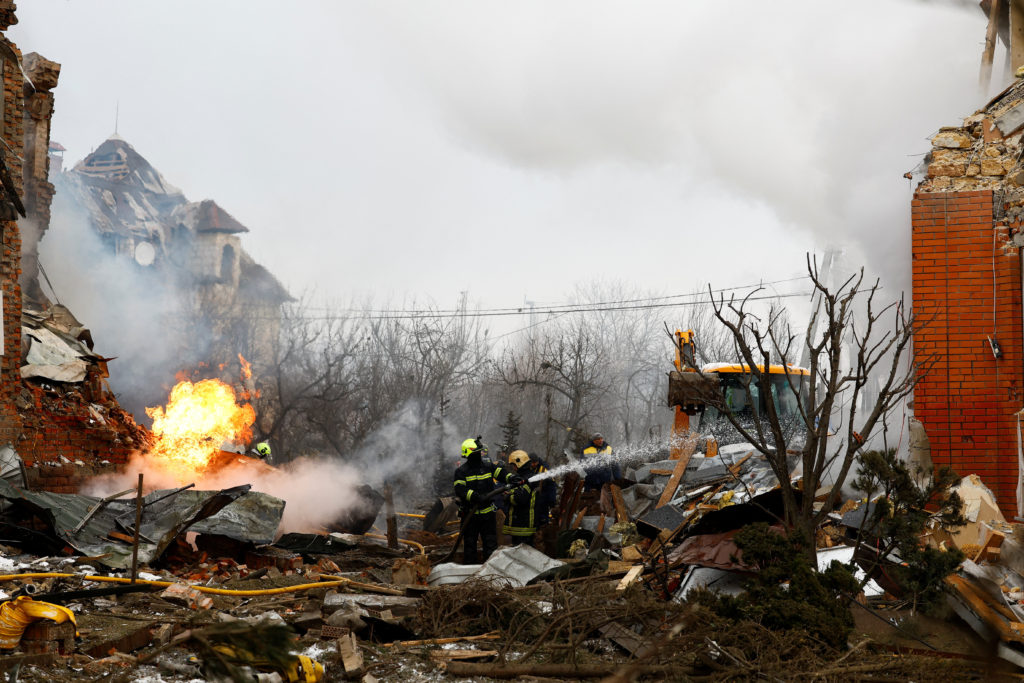
Four years after the conflict began, Ukraine remains a focal point of international attention. The war has reshaped diplomatic ties, strained economies, and triggered a humanitarian crisis of unprecedented scale in Europe. As the fighting continues, analysts assess how the prolonged struggle is influencing global politics, energy markets, and the future of security arrangements across the continent.
A Year of Conflict The war started with a rapid advance by Russian forces, aiming to seize key cities and force a swift political settlement. Ukrainian resistance proved far stronger than expected, turning the conflict into a protracted, high‑intensity war. Frontlines have shifted multiple times, with both sides suffering heavy losses. The stalemate has forced both militaries to adapt, relying more on technology, drones, and foreign-supplied weaponry. The prolonged nature of the fighting has turned a regional dispute into a test of endurance for both nations.
Human Cost Casualties on both sides number in the hundreds of thousands, while millions of civilians have been displaced within Ukraine and across Europe. Schools, hospitals, and infrastructure have been damaged or destroyed, leaving communities to rebuild from rubble. The psychological toll is evident in rising rates of trauma and mental‑health issues among survivors. International organizations continue to document violations of international law, prompting debates at the United Nations and other forums about accountability and justice.
Economic Ripple Effects The war has sent shockwaves through global markets. Sanctions imposed on Russia have disrupted trade flows, especially in energy, metals, and agricultural products. European nations, heavily dependent on Russian gas, have scrambled to diversify supplies, accelerating investments in renewable energy and LNG imports. Meanwhile, Ukraine’s agricultural exports—wheat, corn, and sunflower oil—have faced logistical bottlenecks, threatening food security in regions already vulnerable to hunger. Inflation spikes in many countries can be traced back, in part, to supply‑chain disruptions linked to the conflict.
Shifts in Global Alliances NATO’s eastern flank has been reinforced, with member states deploying additional troops and equipment to deter further aggression. The alliance’s cohesion has been tested, yet the shared response has reinforced a collective security mindset. At the same time, countries like China and India have navigated a delicate diplomatic balance, calling for dialogue while maintaining strategic partnerships with Moscow. The war has also prompted a reevaluation of defense spending, with several European governments announcing multi‑year budget increases for military modernization.
Energy Security and Climate Europe’s urgent need to reduce reliance on Russian fossil fuels has accelerated the transition to greener energy sources. Nations are fast‑tracking offshore wind projects, expanding solar capacity, and investing in battery storage. While the shift supports climate goals, the rapid policy changes have also created short‑term price volatility and raised questions about grid stability. The conflict highlights how geopolitical tensions can intersect with climate strategies, underscoring the importance of diversified, resilient energy systems.
Humanitarian Response International aid agencies have mobilized billions of dollars to address immediate needs—food, shelter, medical care—and to support long‑term reconstruction. Neighboring countries have taken in millions of refugees, offering education, employment, and social services. Civil society groups across the world have organized fundraising drives, volunteer programs, and awareness campaigns. Despite the scale of assistance, funding gaps remain, especially for rebuilding critical infrastructure such as water treatment plants and power grids.
Looking Ahead The next phase of the conflict will likely hinge on diplomatic negotiations, battlefield developments, and the stamina of external supporters. Analysts warn that a frozen conflict could entrench divisions, while a decisive breakthrough—whether through negotiation or military change—could reshape the security architecture of Europe. The international community faces a choice: continue to pour resources into a prolonged stalemate or push for a negotiated settlement that addresses sovereignty, security guarantees, and post‑war reconstruction.
Conclusion Four years on, the war in Ukraine has become more than a regional dispute; it is a catalyst reshaping global economics, alliances, and energy policies. The human toll remains stark, and the path forward is fraught with uncertainty. Yet the resilience displayed by Ukrainians, the coordinated response of allies, and the growing emphasis on sustainable security suggest that the conflict’s legacy will influence international relations for years to come. As the world watches, the decisions made today will determine whether the war ends in a fragile ceasefire or a durable peace that can rebuild a war‑torn nation and stabilize the broader region.