10 skiers missing, 6 rescued after massive avalanche near California’s Lake Tahoe
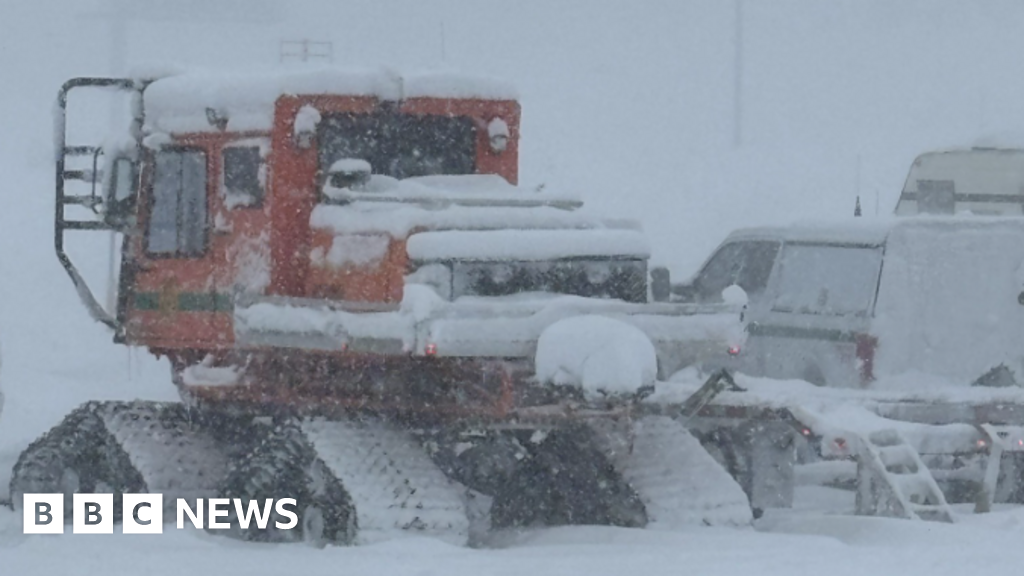
A powerful avalanche swept down a popular backcountry ski area near Lake Tahoe, trapping a group of sixteen skiers. Six of them were pulled to safety by rescue teams, while ten remain unaccounted for. The incident has sparked a massive search operation and renewed discussion about avalanche safety in the United States and abroad.
What triggered the slide The avalanche occurred on a steep, snow‑laden slope that is known for its deep powder and frequent backcountry use. Early reports indicate that a sudden increase in snow weight, combined with a weak layer beneath the surface, caused the snowpack to give way. The slide traveled more than 1,000 feet, burying the skiers under several feet of compacted snow.
Rescue teams spring into action Local fire departments, mountain rescue volunteers, and a state‑run ski patrol were among the first to arrive. Using trained dogs, avalanche beacons, and specialized equipment, they located six skiers within the first few hours. Two of the rescued individuals suffered broken bones, while the others escaped with minor injuries. The remaining ten skiers are still missing, and a coordinated effort involving helicopters, ground crews, and satellite imaging continues.
The missing skiers Authorities have released limited details about the ten individuals still unaccounted for, citing privacy and ongoing investigations. What is known is that they were part of a mixed‑ability group, ranging from experienced backcountry enthusiasts to casual weekend skiers. Their last known location was near the base of the avalanche’s run‑out zone, an area that is difficult to access without specialized gear.
Why this matters beyond the region Avalanches are a global hazard, affecting mountain communities from the Alps to the Himalayas. The scale of this event highlights how quickly conditions can change, even in well‑known recreational areas. As winter sports grow in popularity, more people are venturing into remote terrain, often without sufficient training or equipment. The Lake Tahoe incident serves as a reminder that avalanche risk is not confined to remote, high‑altitude ranges; it can strike popular destinations that attract large numbers of tourists each season.
Safety lessons for winter recreation Experts stress the importance of three core practices: checking the avalanche forecast, carrying proper rescue gear, and traveling with a partner who knows how to use it. In recent years, technology such as personal locator beacons and mobile apps that provide real‑time snow stability data have become more accessible. However, the tools are only as effective as the knowledge behind them. Training courses offered by local ski clubs and national safety organizations are essential for anyone planning to ski or snowboard off‑piste.
Impact on the local economy and tourism Lake Tahoe is a major winter tourism hub, supporting thousands of jobs and generating significant revenue each season. An event of this magnitude can temporarily deter visitors, especially if media coverage emphasizes danger. Local businesses, from hotels to equipment rentals, are watching the situation closely. Authorities are working to balance safety messaging with reassurance that the area remains a viable destination when proper precautions are taken.
Future preparedness and response In the wake of the avalanche, state officials announced plans to increase funding for avalanche education programs and to expand the network of monitoring stations that measure snowpack stability. There is also a push to improve coordination between private rescue teams and public agencies, ensuring that resources can be mobilized quickly when large slides occur.
International perspective Countries with extensive mountain ranges are observing the response to the Lake Tahoe incident. The collaborative approach—combining local volunteers, government resources, and modern technology—offers a model that could be adapted elsewhere. Sharing data on snow conditions across borders could help predict similar events and reduce loss of life on a global scale.
Looking ahead The search for the ten missing skiers will likely continue for several days, depending on weather and terrain conditions. Families, friends, and the broader outdoor community are awaiting updates with a mix of hope and concern. While the immediate focus remains on rescue and recovery, the longer‑term conversation will revolve around how to make backcountry recreation safer for everyone.
The avalanche near Lake Tahoe underscores the unpredictable nature of mountain environments and the critical need for preparation, education, and coordinated response. As winter sports enthusiasts plan their next trips, the lessons learned here may help prevent future tragedies and keep the slopes enjoyable for all.